The 23 cm bowl is the working size.
A mixing bowl is usually sold as a blank: stainless, stackable, dishwasher safe, choose your diameter. Sori Yanagi's version only becomes interesting when the size starts doing the work. The 23 cm bowl is deep enough for a whisk to move without throwing cream onto the counter, narrow enough at the base to hold steady, and plain enough to become the bowl a cook reaches for before thinking.
The useful evidence is plain: the five-size stainless line, the 23 cm mixing role, the bowl-and-strainer system, and the Tsubame production context.
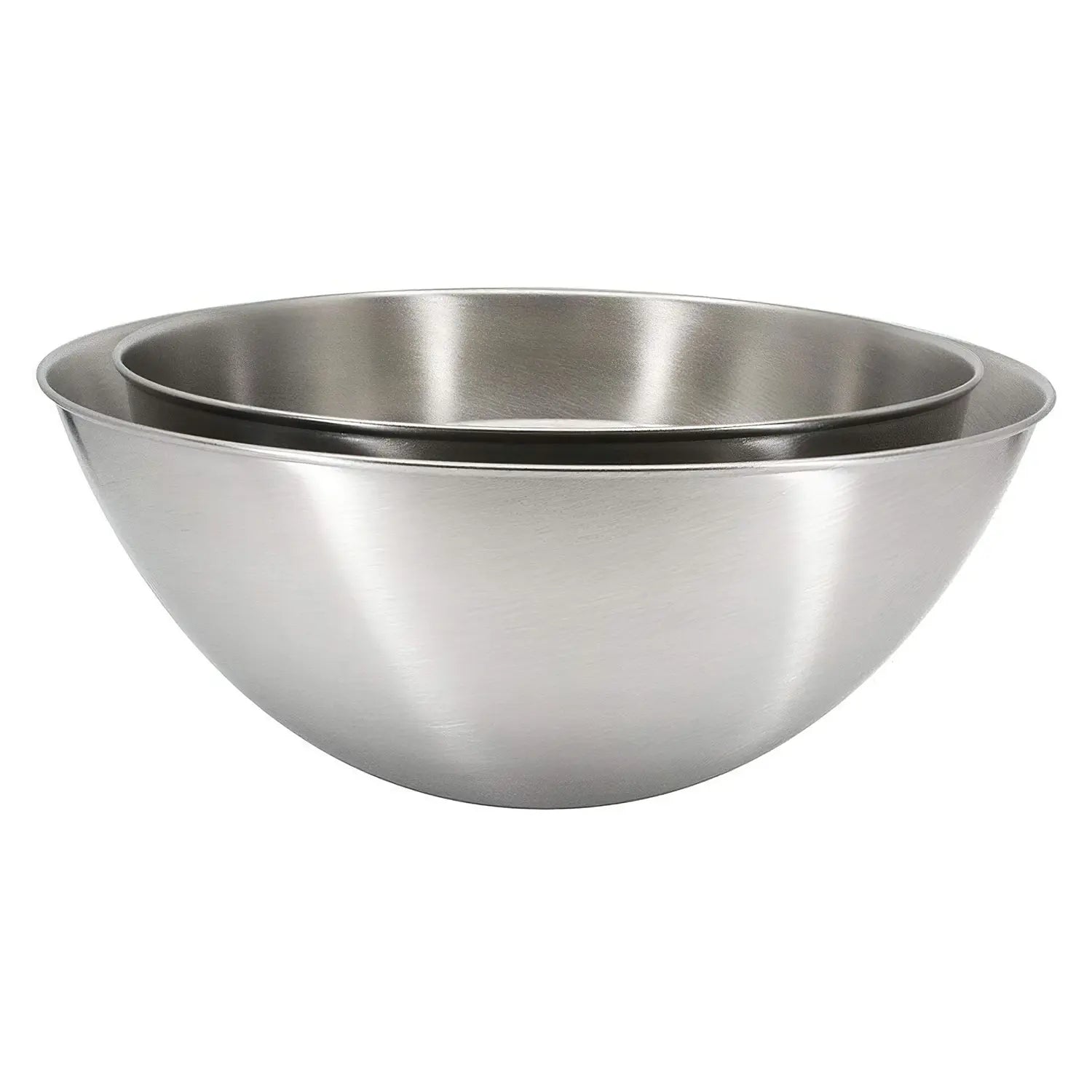
Figure 1.Five-size stainless line. Lists 13, 16, 19, 23, and 27 cm variants, 18-8 stainless steel, Japan/Tsubame-Niigata origin, and the 23 cm capacity at about 3.4 L.
GlobalKitchen Japan; price ladder checkedFigure 2.Designed as a bowl and strainer system. Positions the bowl as a 1960 design developed through chef research, sold in five sizes, and made to work with the matching strainer series.
Tokyobike; design context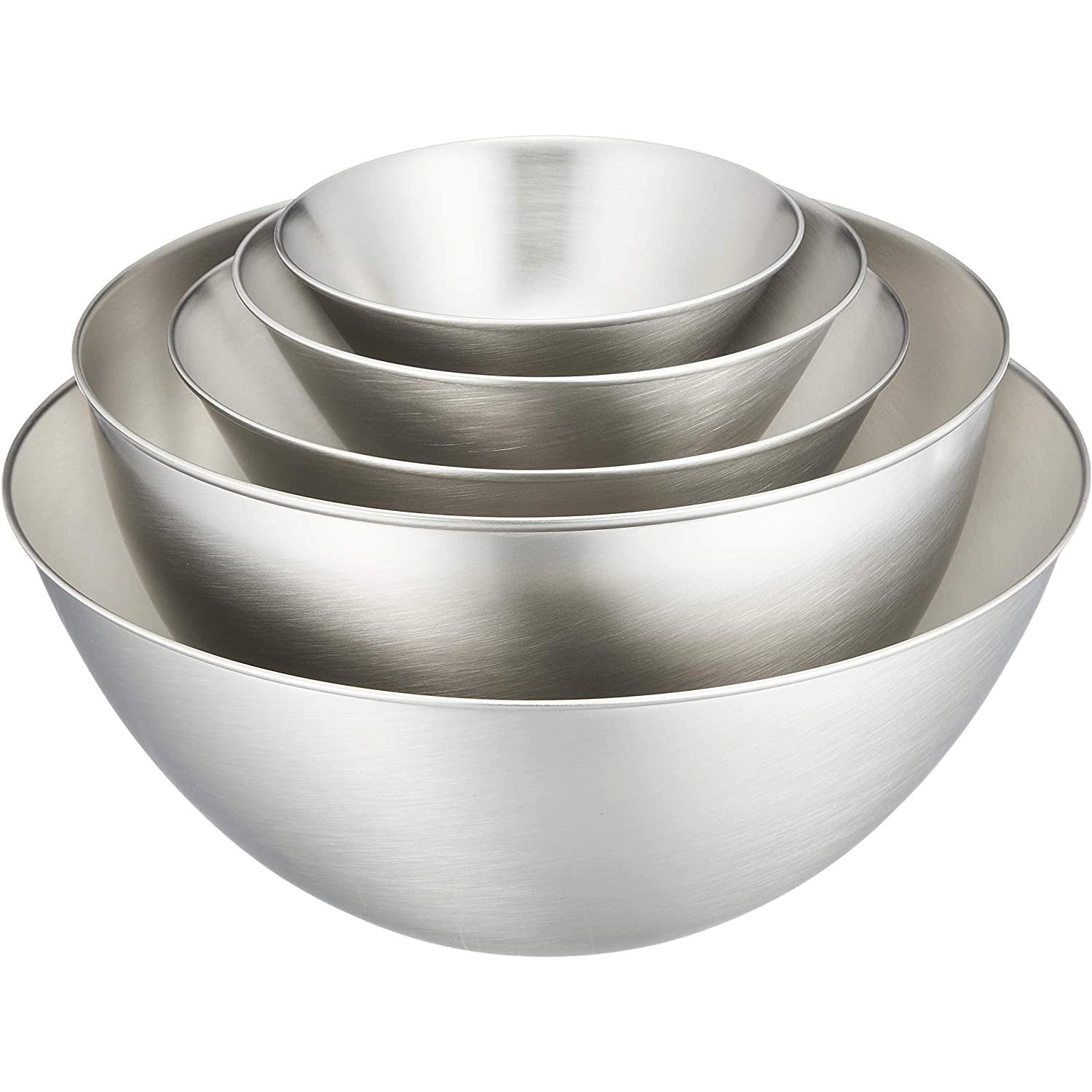
Figure 3.Size roles, not just size options. Breaks the line into useful roles: 13 cm for dressings, 19 cm for salad or prep, 23 cm for whisking, and 27 cm for bulk or ice.
Japanese Taste; use-case ladderFigure 4.The 23 cm is the whisking bowl. Calls the 23 cm bowl recommended for pancake batter and whipped cream, with an approximate 231 x 119 mm body and 3.4 L capacity.
Shokunin; 23 cm checkFigure 5.Yanagi kitchenware belongs to Tsubame. Places the kitchenware series with Nihon Yoshokki in Tsubame City, Niigata Prefecture, which matters when rejecting lookalike substitutions.
Japan House London; maker contextDo not buy a bowl by name.
The wrong purchase sneaks in when the name does all the work. The 13 cm is a condiment and egg bowl. The 16 cm is small prep. The 19 cm is a salad or holding bowl. The 23 cm is where batter, cream, and dressing start to make sense. The 27 cm is for leafy greens, bulk work, or a bowl full of ice.
Buy the 23 cm for one daily mixing bowl. Pause before turning one missing diameter into a five-piece set.
That boundary is the interesting part. If the kitchen already leans toward Japanese stainless tools, nesting storage, and a reliable whisking bowl, the 23 cm is the clean choice. If the whole prep stack is gone, the set may earn its space. If the job is salad holding or dressing prep, the 23 cm is overbuying with better typography.
Pair it by job, not by aesthetic.
The matching strainer is the real companion purchase, not another shiny bowl from the same shelf. The smaller bowls are useful only when the task changes. The archive records below keep the housewares context nearby: table linen, tea towel, bottle opener, all treated as specific objects rather than mood-board filler.
The adjacent choices are practical: the strainer when rinsing matters, 19 cm when the job is prep, 27 cm when volume matters, and archive housewares as object-first context.
Figure 1.Matching punching strainer. Pair with the matching punched strainer when the user drains washed greens, rinses berries, or wants the same footprint to stack cleanly.
Shokunin; ask-first add-on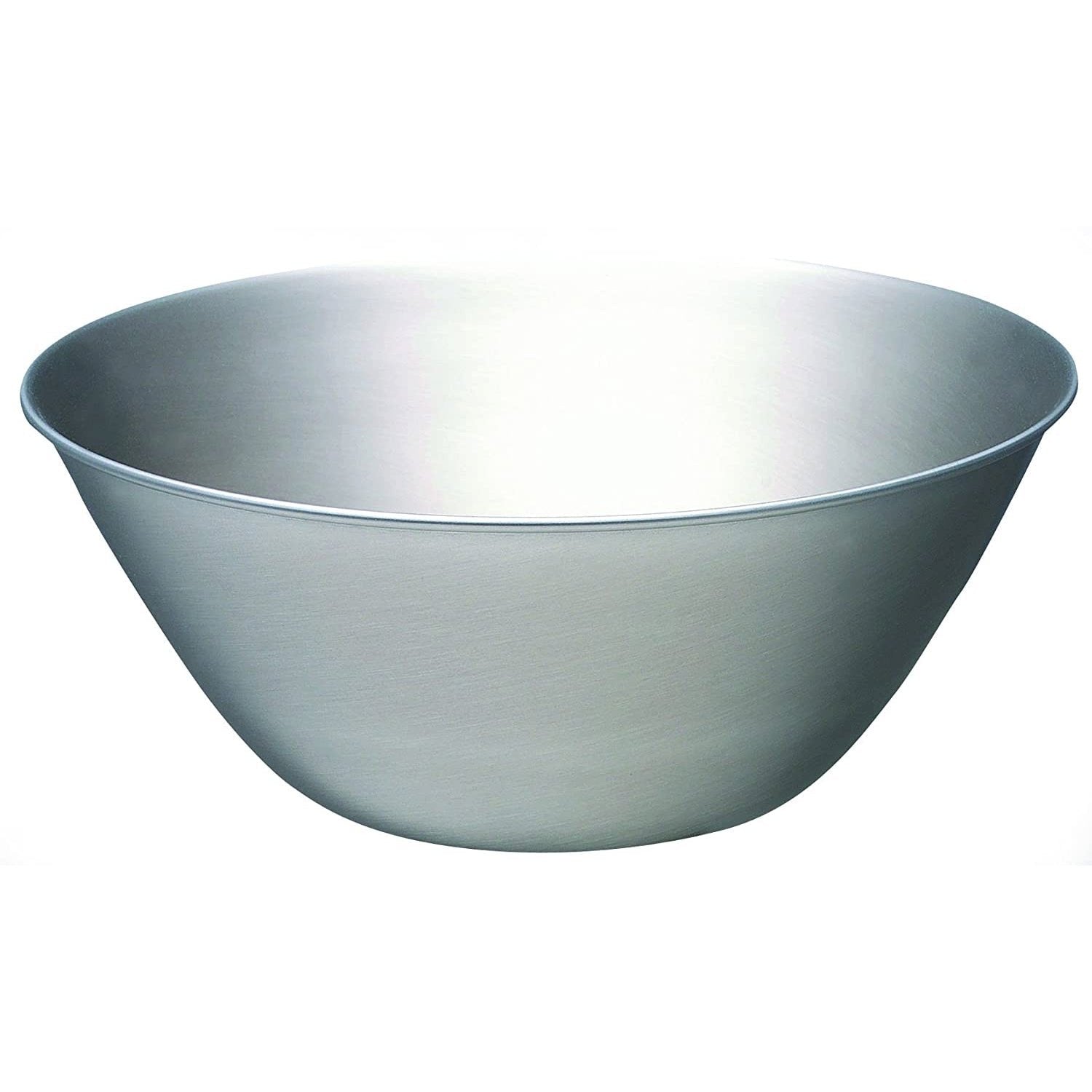
Figure 2.19 cm prep bowl. Choose this when the job is holding chopped vegetables, meat, or salad ingredients rather than whisking a batter.
Japanese Taste; smaller job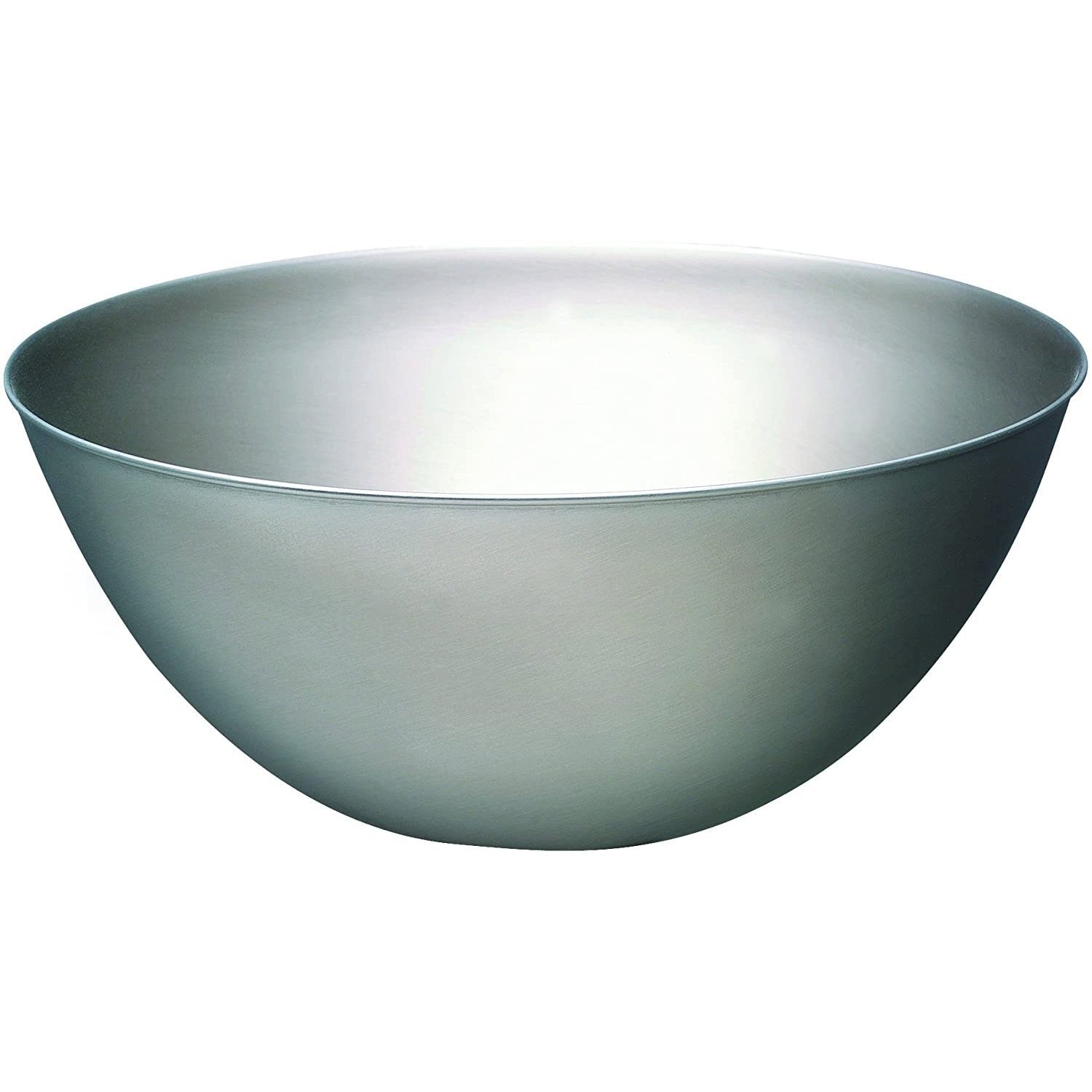
Figure 3.27 cm bulk bowl. Move up when the shopper needs volume: leafy greens, dough that splashes, party salad, or ice for a bottle.
Japanese Taste; larger jobFigure 4.Flax tea towel. An archived housewares record that shows the useful pattern: maker, material signal, and one tight reason to care.
Bureau crawl; archive referenceFigure 5.Blue herring linens. A table textile reference from the crawl, useful for pairing a prep object with the meal it eventually serves.
Bureau crawl; archive referenceFigure 6.Brass bottle opener. Not a bowl pairing, but a useful housewares contrast: one small object, one clear reason to exist.
Bureau crawl; tone referenceSuitable for food starters: eggs, cream, dressings, one-bowl batter, and the prep bowl that gets pulled down first. The 23 cm mixes; the 19 cm holds; the 27 cm is for bulk. Add the strainer only when draining is part of the routine.
The final call is not romantic. It is specific: 18-8 stainless steel, made in Japan, 23 cm when the job is mixing, matching strainer only when draining happens as often as whisking, and a fresh price check before buying. The beauty is in not pretending every stainless basin is equivalent.