A private shopper earns trust by refusing to flatten every shopping moment into a transaction. Some purchases can become automatic. Some should become a researched choice. Some should be blocked because they violate a rule the person already gave.
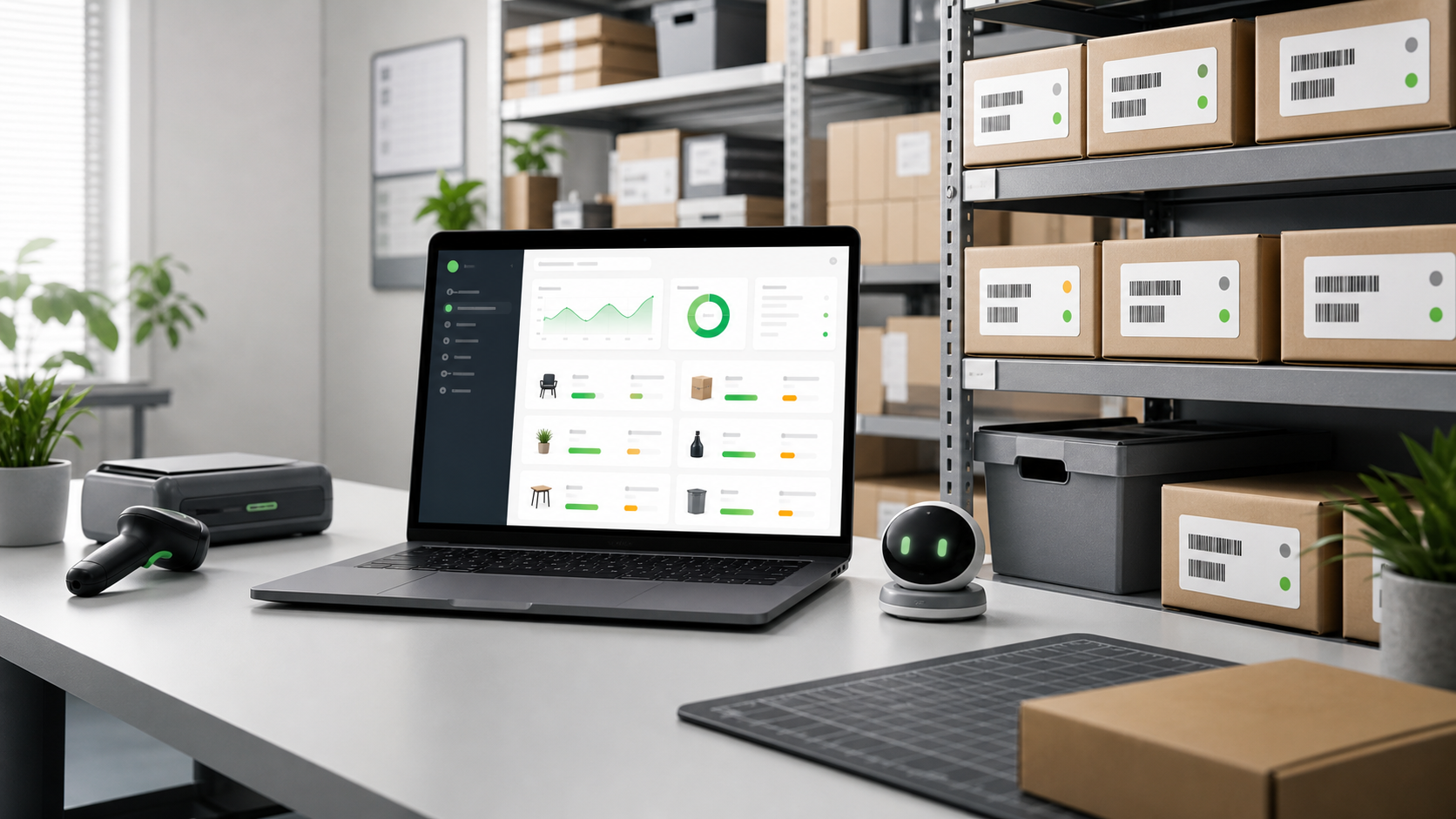
This is where StockUp can feel different from a generic shopping feed. It remembers the boring parts: bottle size, region codes, delivery windows, allowed stores, disliked substitutions, and the amount where approval matters again.
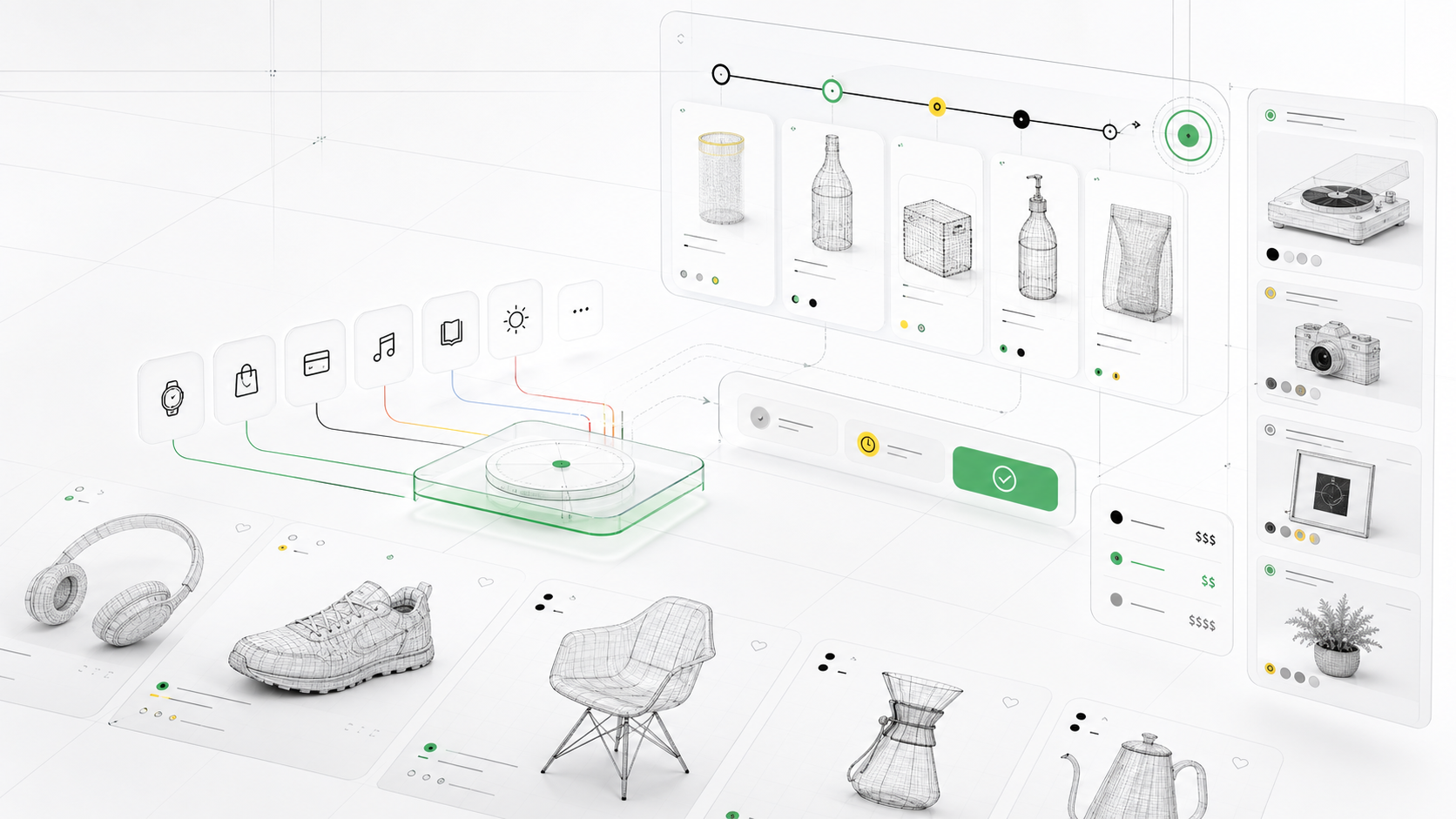
The product should be able to say: this is ready, this needs approval, and this should not be bought.
Rejections are data
If a person rejects the wrong imported edition, StockUp should remember the region mismatch. If they reject a more expensive replacement filter, it should remember the price boundary. If they reject a substitute brand, it should stop treating that brand as acceptable.
The article layout keeps those ideas readable: measured copy, wider evidence images, strong captions, and enough editorial structure to publish small notes without designing every page from scratch.